作者 Kavitha 拥有20多年的丰富工作经验,曾在汽车、工业和医疗领域担任嵌入式系统开发的固件主管。她是一名通过TUV SUD认证的功能安全L2专业人士。目前,她专注于功能安全、网络安全、预期功能安全(SOTIF)以及人工智能系统的安全性。
引言
确保道路车辆中人工智能的安全性至关重要。本博客将探讨主要的安全协议,包括功能安全 (FuSa)、预期功能安全 (SOTIF)、网络安全措施和人工智能安全保证 (SaAI)。这些协议共同为人工智能在汽车中的安全集成提供了一个全面的框架。
ISO 8800 是一项汽车标准,旨在指导基于人工智能的系统实现功能安全合规性。它旨在与 ISO 26262、ISO 21448 和 ISO 21434 结合使用,以确保全面的安全管理。
标准的相互作用
功能安全
功能安全(FuSa)由ISO 26262标准定义为“由于电气或电子系统故障行为导致的危险而不存在不合理风险”。它涉及管理系统性软件和硬件故障以及随机硬件故障。为了实现这一点,FuSa通过全面的安全管理过程设定并实现安全目标。该过程包括危险分析、风险评估以及开发安全机制,以确保车辆的电子和电气系统在所有运行条件下可靠且安全地运行。
预期功能安全
ISO 21448将预期功能安全(SOTIF)定义为”由于预期功能的功能不足或道路使用者的可合理预见的误用而导致的危险而不存在不合理风险”。该标准涉及传统安全措施未涵盖的潜在风险,专注于确保预期功能在各种条件下按预期安全运行。
网络安全
根据 ISO 21434,网络安全涉及保护汽车系统免受网络威胁、未经授权的访问和恶意行为的侵害。该标准是对 ISO 27001 针对特定领域的改编,专为应对汽车行业面临的独特网络安全挑战而量身定制。它提供了一个在汽车整个生命周期中识别和降低网络安全风险的框架,确保所有基于电子和软件的系统都能得到充分保护。这包括开发安全架构、实施强大的安全控制以及持续监控潜在威胁,以维护汽车系统的安全性和完整性。
人工智能的安全保证
ISO 8800通过关注处理各种不足之处(如数据、模型、训练、验证和确认)来解决车辆中人工智能应用的安全相关行为。该标准提供了指南,以得出合适的安全保证声明,证明不存在不合理风险。本质上,ISO 8800旨在回答“我们如何确保车辆中的基于人工智能的系统风险最小?”这一问题,通过确保人工智能整个生命周期内的全面安全措施。
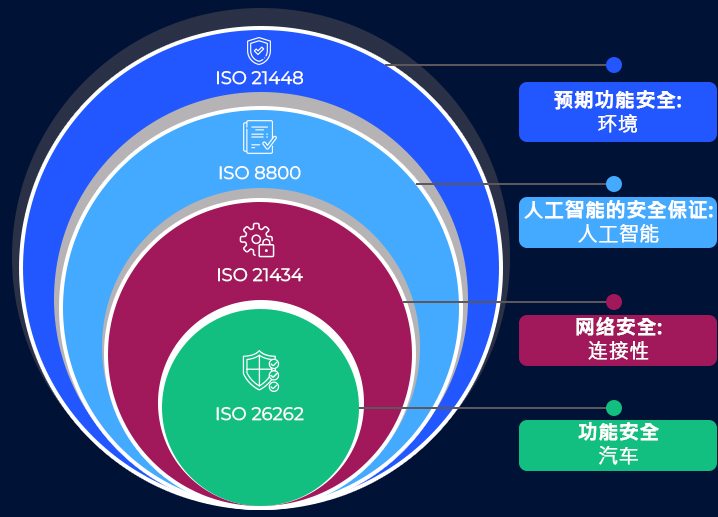
Fig 1: Interplay of the relevant safety and security standards
Ensuring System-Level Safety & Environmental Decision-Making
While Functional Safety (FuSA) addresses the system level safety adherence, Safety of the Intended Functionality (SoTIF) focuses on ensuring the system can accurately perceive and respond to its environment. This includes:
- Sensor Perception: Making sure sensors like cameras and radar detect the environment accurately
- Decision making: Ensuring the system can predict and respond to potential hazards
- Minimizing False Negatives: Reducing instances where the system fails to detect a hazard.
Cybersecurity complements both by protecting the system from external threats, analyzing and implementing measures to mitigate risks in connected vehicles.
ISO 8800: Extending FuSA & SoTIF for AI-Based Systems
ISO8800 serves as an extension for both FuSA and SoTIF, encompassing the entire safety life cycle of AI based systems. It remains agnostic to the specific AI/ML/DL technologies deployed and is generic and not limited to automated driving, though it is one of the prominent use cases. This standard aims to instil stakeholder confidence in the deployment of autonomous systems particularly in road safety for the different categories involved whether it is Level 3+ autonomy or last – mile delivery.
Defining Safety Requirements: The starting point is to define the safety requirements, for a simple and straight forward example the correct identification of traffic signs under adverse weather conditions. It includes the necessary metrics for the application and any limitations in the deployed AI model.
ISO 8800 also covers potential dataset errors, and any associated limitations or biases providing guidelines to address these issues. Identifying edge cases and ensuring safety in these scenarios is a crucial consideration.
安全保证论据
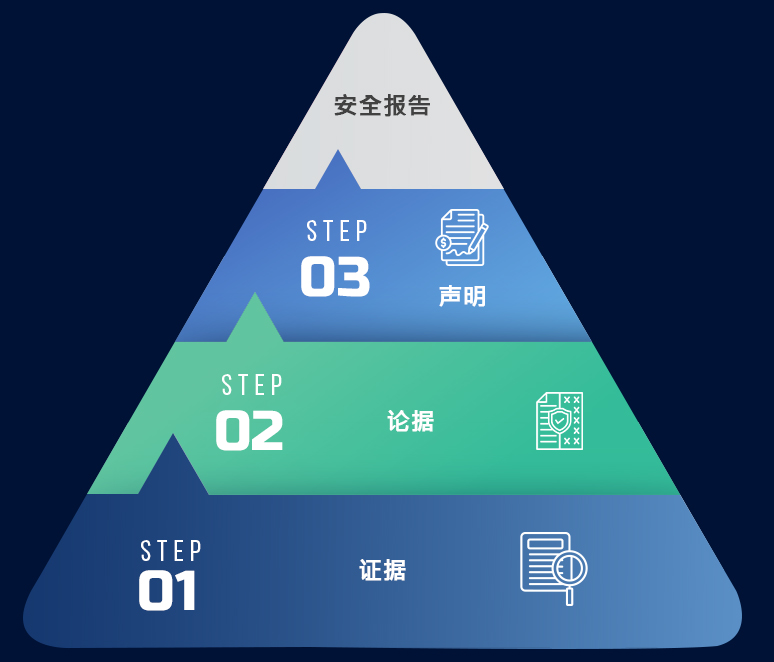
Fig 2: Safety Assurance Arguments
安全保证论据对于证明满足人工智能要求以及完成必要的验证和确认至关重要。这些论据为证明系统的安全性和可靠性提供了观察证据。
结论
遵守 ISO 8800 标准对于实现人工智能系统的功能安全至关重要。要符合 ISO 8800 标准,人工智能模型就必须不断发展,变得更加强大,并赢得利益相关者的信任。这将为实现更高级别的自动驾驶铺平道路。
MulticoreWare 拥有丰富的人工智能开发经验